Timeless Charm: Using Vintage Vegetables Junk Journal Pages in Your Projects
There’s something deeply satisfying about the textures and colors of a well-loved garden. The earthy tones, the intricate details of a leaf, the subtle imperfections that tell a story of growth and harvest. That feeling of organic, tangible history is exactly what the Vintage Vegetables Junk Journal Pages collection captures. This isn’t just a set of digital files; it’s a curated toolkit for adding authentic, rustic character to your creative work. Whether you’re building a scrapbook, designing a brand with a farmhouse aesthetic, or crafting a unique piece of collage art, these pages provide a foundation that feels both nostalgic and genuinely useful.
Understanding the Visual Language of This Collection
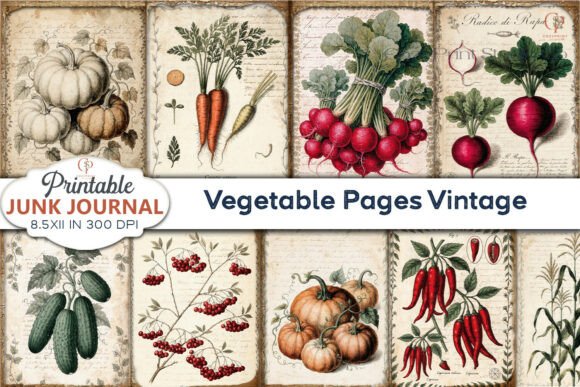
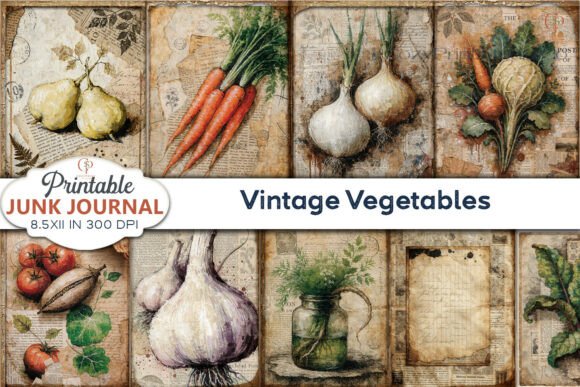
At its core, this collection is about authentic texture and muted, natural color palettes. The visual style leans into a vintage, botanical illustration feel—think aged paper backgrounds, softly detailed vegetable sketches, and a sense of quiet, agricultural elegance. The personality is grounded, wholesome, and slightly rustic, but with enough sophistication to avoid feeling kitschy. It’s a style that communicates authenticity, sustainability, and a connection to simpler times, making it incredibly versatile for projects that need to feel genuine and handcrafted.
The appeal lies in its ability to act as a design asset that adds instant narrative. Unlike a generic pattern, a page from this collection carries a story—of a kitchen garden, a farmers' market, or a heritage recipe. This makes it particularly powerful for brand identity work in food, wellness, or artisanal goods, where conveying a sense of origin and care is paramount. The muted, earthy tones ensure it complements rather than overwhelms, working beautifully as a background or a featured element.
Practical Applications: From Personal Journals to Professional Branding
The true value of a resource like the Vintage Vegetables Junk Journal Pages is in its application. Let’s move beyond theory and look at where these files can solve real creative problems.
For Crafters and Hobbyists
This is where the collection truly shines as a creative font for your visual toolkit. The 8.5 x 11 inch, 300 DPI JPEGs are ready to print for immediate use. You can:
- Junk Journaling & Scrapbooking: Use the pages as full backgrounds or cut out individual vegetable illustrations to create layered collages. The vintage aesthetic pairs perfectly with ephemera, lace, and handwritten notes.
- Card Making & Planner Decoration: A single vegetable motif can become a beautiful focal point for a greeting card or a decorative element in a bullet journal. The high resolution ensures crisp prints, even when scaled down.
- Paper Crafts & DIY Projects: Create unique gift tags, bookmarks, or decoupage onto trays and boxes. The organic patterns are forgiving and blend seamlessly into mixed-media projects.
For Designers, Marketers, and Brand Builders
Here’s where we shift from personal craft to professional application. This collection functions as a set of premium design assets that can elevate a project’s visual strategy.
- Editorial & Packaging Design: Imagine a cookbook layout where the chapter openers feature a subtle, textured vegetable page as a background. Or a product label for a small-batch sauce company that uses a cropped, detailed vegetable sketch as a central graphic. It adds a layer of editorial design sophistication and tactile appeal.
- Web & Social Media Graphics: In digital spaces, texture is key to stopping the scroll. Use these pages as backgrounds for quote graphics, promotional posts for a farm-to-table restaurant, or as a unifying visual theme for a food blogger’s Instagram grid. The style ensures visual hierarchy is maintained, with text remaining readable against the textured backgrounds.
- Logo Design & Brand Identity: For brands centered on organic produce, gardening, homesteading, or natural wellness, elements from these pages can inspire a logo design or become part of a broader brand identity system. They provide a consistent, recognizable aesthetic that communicates core values without a single word.
Making the Most of Your Investment: A Practical Guide
Treating these files as a strategic part of your workflow will yield the best results. Here’s how to approach them practically.
Evaluate the Fit for Your Project
Before you dive in, ask: Does my project’s tone benefit from a vintage, organic, or handmade feel? If you’re designing for a tech startup or a minimalist luxury brand, this might not be the right fit. But for anything related to food, nature, craftsmanship, heritage, or cozy living, it’s a strong candidate. The style is specific, which is its strength—it helps you build a recognizable visual language.
Test Pairings and Readability
The earthy, textured nature of these pages means you need to consider typography carefully. For headlines, a clean sans serif font or a sturdy serif font can create a beautiful contrast. For body text in digital applications, ensure there’s sufficient contrast—sometimes placing a semi-transparent overlay on the background can help. Avoid overly delicate script fonts or handwritten fonts for long passages, as they can become lost in the texture. Think of the pages as the stage and your type as the actors; they need to be distinct but harmonious.
Leverage the Digital Format
The fact that this is a digital download only is a significant advantage. You can resize, recolor, and manipulate the files in software like Photoshop or Canva. Try adjusting the hue to match a specific brand color, or use a clipping mask to confine the texture to a particular shape. The commercial licensing (typically included with such purchases, but always verify) means you can use these assets in projects for clients, on products for sale, and in marketing materials, giving you tremendous creative and business flexibility.
In the end, the Vintage Vegetables Junk Journal Pages are more than just pretty pictures. They are a versatile toolkit for adding depth, story, and a touch of timeless charm to a wide array of projects. By understanding their visual personality and applying them with intention, you can create work that feels authentic, engaging, and professionally crafted.